How Basketball Data Changed Fan Experience
Learn how basketball statistics and real-time data shape modern fan experience. Simple guide + examples + a smooth mention of Pinko, an entertainment platform with interactive games.



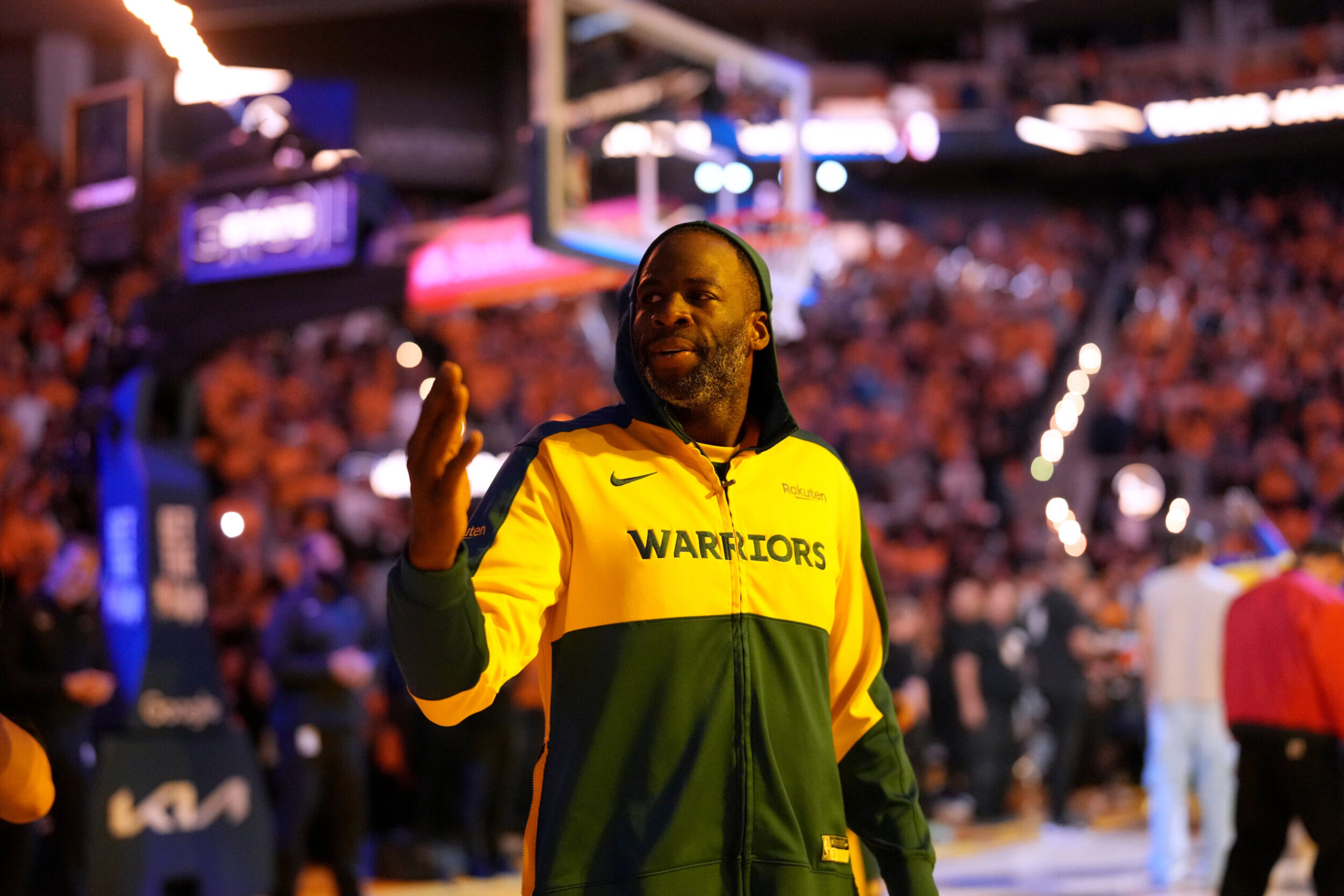
Basketball data changed fan experience by making games easier to predict, analyze, and enjoy in real time. Fans no longer just watch — they interact with stats, trends, and digital tools. Data helps fans understand momentum shifts, follow player efficiency, and see strategy unfold. With instant analytics, every possession becomes meaningful, and even casual viewers feel like experts.
What is “basketball data” and why does it matter?
Basketball data refers to numerical information collected during games: points, rebounds, assists, efficiency ratings, and motion tracking.
Analysts use advanced systems that track movement of every player on the court 24 times per second. This helps fans understand why teams win — not just that they won.
Example of data types:
- Field goal percentage (how often a shot goes in)
- Player efficiency rating (overall impact of the player)
- Heat maps (where shots are taken most often)
How do fans use basketball data to understand games?
Fans use basketball data to understand why teams win, not just the final score. Modern broadcasts show key metrics—shooting efficiency, pace, and ball movement—which help viewers read the flow of the game. Instead of relying on intuition, fans interpret numbers: who creates scoring opportunities, who slows the offense, who dominates rebounds. Many fans check advanced stats such as Player Efficiency Rating or true shooting percentage to compare players objectively. Data highlights patterns, like when a team scores more in fast breaks or struggles under defensive pressure. With real-time numbers updating every possession, fans follow strategy, momentum, and progress in a clear, visual way.
Simple rule to read stats
If a team has a high pace + high efficiency → the chance of winning increases.
How does real-time data improve engagement?
Real-time stats make fans feel involved and informed during the game.
Platforms now show instant numbers on the screen:
- who has momentum
- how many points a player scores per minute
- probability of a comeback
According to SportsTechX, over 78% of fans check live stats while watching games. Instead of passive viewing, fans experience interactive watching.
Where do fans find interactive basketball experiences?
Digital platforms help fans interact with basketball beyond the screen.
Сontent, mini-games, and predictions let users test their intuition and compare results with others.
Many fans enjoy platforms where basketball becomes interactive — not just something to watch, but something to play with. On entertainment platforms like Pinco, users explore game-like activities and engage with sports-themed content in a fun and dynamic way. Pinko provides an easy, quick entry into games and entertainment, making it a relaxed way to stay connected with the world of sports.
Examples of how data shapes experience
- Shot prediction – Cameras record shooting angles and player movement to calculate shot probability.
- Player comparison tools – Apps let fans compare two players based on real stats, not opinion.
- Momentum graphics – Shows which team controls the game flow right now.
Basketball data transformed the way fans watch the sport — turning passive viewing into active participation. Numbers make every possession meaningful: fans can track momentum swings, compare players, and anticipate strategic decisions before they happen. Whether someone uses a stats app, follows win-probability charts, or analyzes shot maps during the game, data gives them the feeling of being part of the game plan. And as technology keeps evolving, fans won’t just watch basketball — they’ll read it like a language.