Denver Nuggets: Without a Center, a Freefall Looms
Injuries sideline Denver’s European-style center rotation, forcing the team to dig deep to avoid a standings collapse



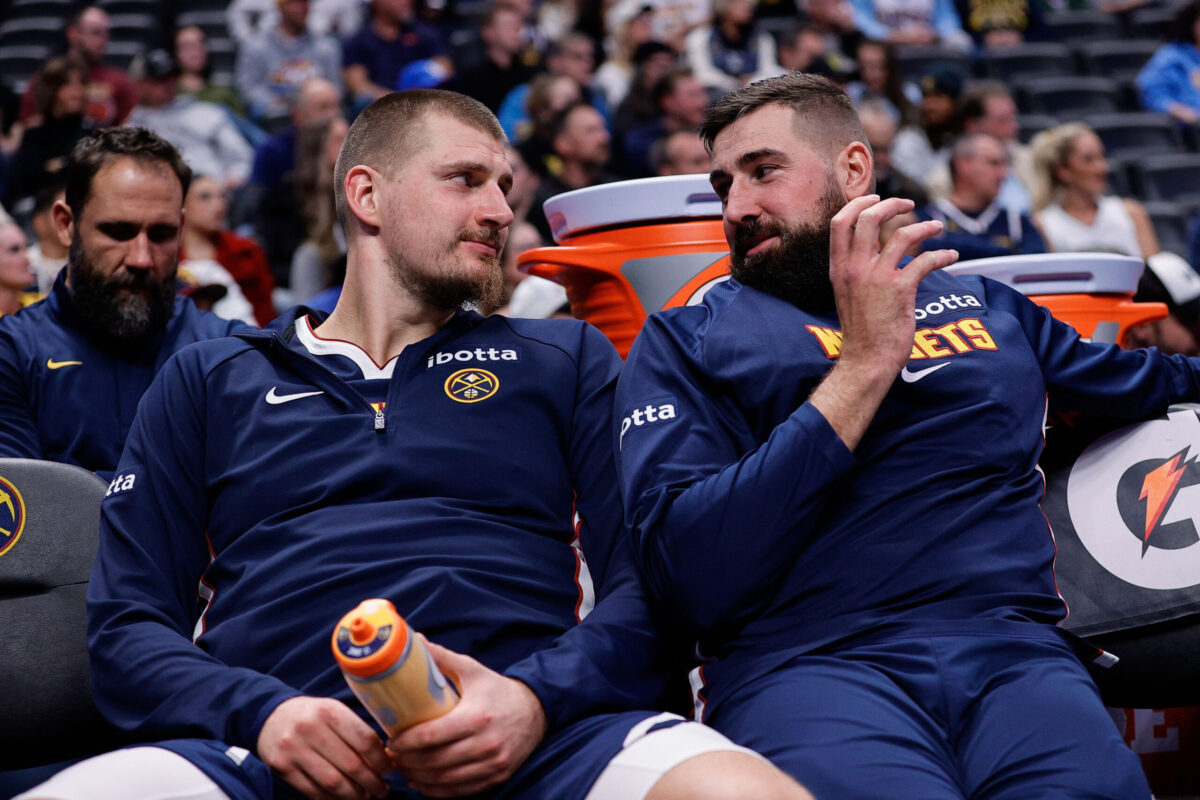
Injuries, one after another, to Nikola Jokic and his backup Jonas Valanciunas are turning January – hopefully only this month – into the most critical crossroads of the regular season for the Colorado franchise. Losing both centers isn’t just an unfortunate setback; it represents a necessary on-court reconfiguration.
Aaron Gordon: a tricky return amid an emergency
The revolving doors of the Nuggets’ medical staff have returned Aaron Gordon to coach Adelman, sidelined since late November with a strain.
A history of injuries means the former Magic forward should ideally be reintroduced cautiously. But in such an emergency, Adelman can’t exactly ration his minutes. The 21 minutes against Brooklyn are likely just the starting point, with his time on the court expected to rise and approach his usual standards. It goes without saying that guarding opposing centers will fall entirely on his shoulders when he’s in.
Rebounding struggles appear inevitable
With Jokic and Valanciunas out, Denver is left without a true center.
Sophomore Holmes II, starting his first career game against Brooklyn, and Nnaji are the only potential options in the fifth spot when Gordon rests. Yet the lack of size and weight was immediately apparent: while the Sixers grabbed just four more offensive boards, the overall rebounding gap in the two games ended 55-32 and 44-33 in favor of the opponents.
This pattern is likely to continue in upcoming games, at least against teams with bigger centers than Claxton.
Zone defense: when and against whom?
Given the personnel available, the most effective solution for rim protection might be a zone defense – an attempt to discourage low-post touches while also allowing the team to catch its breath during the most taxing stretches of the game.
The constant risk, of course, is giving shooters – both on the perimeter and elsewhere – the chance to get into rhythm, something every modern NBA team is full of. This presents a new challenge for David Adelman: identifying the right “targets” and assigning responsibilities to mitigate the gaps.