A Turning Point for the New York Knicks
With Mike Brown now officially installed as head coach, the Knicks have taken their first decisive step toward continuity and growth



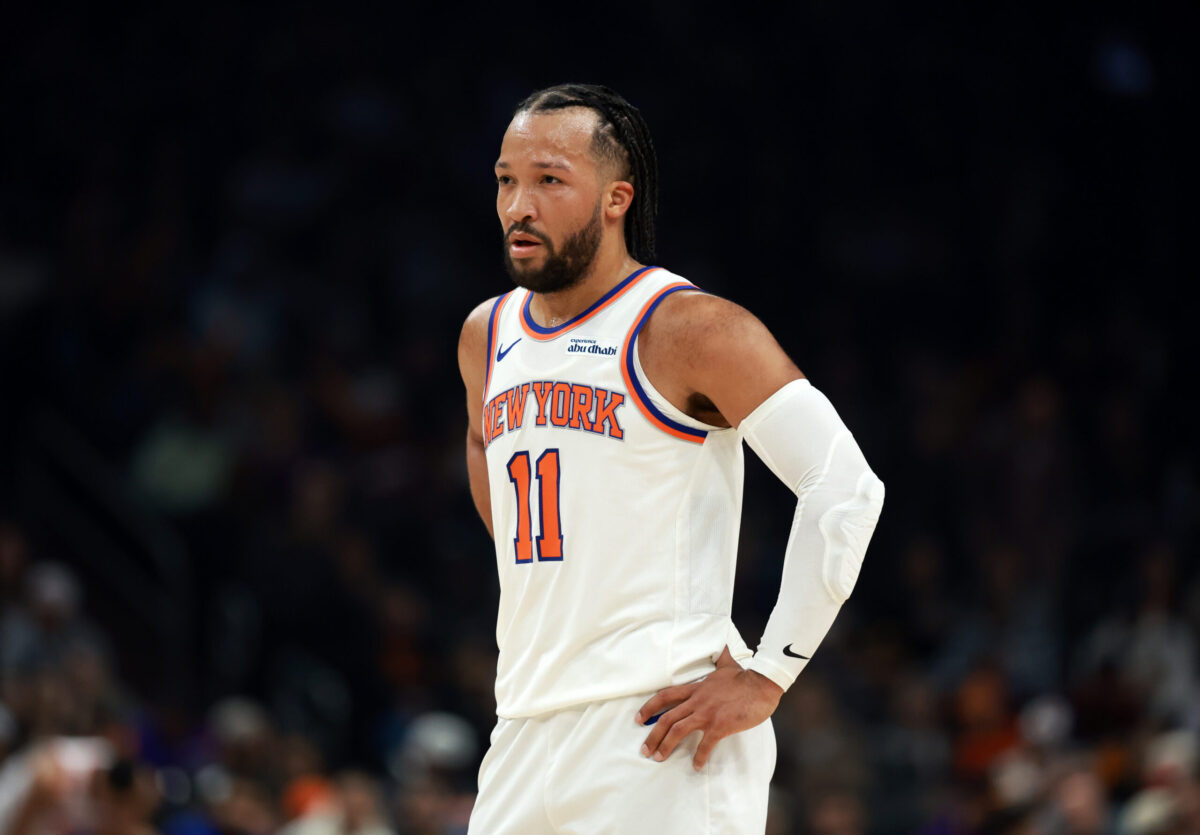
The New York Knicks are entering one of the most defining off-seasons in recent franchise history. After winning a playoff series and coming within striking distance of the NBA Finals, the organization now finds itself at a critical junction. The foundation is strong, expectations are high, and for the first time in years, the future feels legitimately promising rather than hypothetical.
The remaining questions are no longer about direction, but execution: how to strengthen the roster, manage depth, and push a talented core over the final hurdle.
Mike Brown Brings Stability and Accountability
It was meant to be easy to find a new head teacher, but the process has been anything but. A few NBA teams have told the Knicks they can’t talk to their current head coaches or top assistant coaches. These rejections have made New York cast a wider net and look in places that aren’t as clear, almost like the way fans look for fresh options, like the latest no deposit codes existing NZ players actually use and try something new.
What was once a frustrating and drawn-out coaching search has now concluded with a clear message from the front office. Mike Brown’s hiring signals a commitment to discipline, defensive identity, and playoff-level accountability.
Brown brings a championship pedigree, playoff experience, and a reputation for maximizing talent without ego. His ability to command respect in the locker room and make in-series adjustments was a major factor in the Knicks’ decision. In a market as intense as New York, his calm but demanding approach fits the moment perfectly.
With the coaching uncertainty resolved, the focus can finally shift to basketball decisions rather than organizational turbulence.
A Star Trio That Still Defines the Ceiling
The Knicks’ optimism continues to center on a legitimate three-star core that proved its value throughout the season:
Jalen Brunson
The All-Star point guard has firmly established himself as one of the league’s most reliable late-game leaders. His poise, scoring versatility, and command of the offense make him the emotional and tactical engine of the team.
Mikal Bridges
A premier two-way wing who does far more than the box score suggests. Bridges defends elite scorers nightly, spaces the floor, and delivers timely baskets without disrupting offensive flow.
Karl-Anthony Towns
In his first full season with New York, Towns reminded the league why he is one of the most unique big men in basketball. Averaging 24.4 points, 12.8 rebounds, and shooting 42% from three, he gave the Knicks elite floor spacing and interior scoring that few teams can match.
When this trio is healthy and clicking, New York looks capable of beating anyone in the Eastern Conference.
Where the Playoffs Exposed Real Weaknesses
The postseason made one thing clear: the Knicks’ issue was never top-end talent. It was sustainability.
As the pace slowed and rotations tightened, the lack of reliable bench production became impossible to ignore. Starters logged heavy minutes, fatigue set in, and the drop-off when key players rested was dramatic.
The front office now has clear priorities:
Depth and Rotation Balance
- A trustworthy secondary ball-handler to relieve Brunson.
- Defensive wings who can guard multiple positions.
- A physical backup big to protect the rim when Towns sits or gets into foul trouble.
Playoff-Ready Scoring and Composure
- A bench scorer who can create in the half-court.
- Veterans who understand postseason pressure.
- Players who don’t shrink in hostile road environments.
Even elite starting lineups break down over a seven-game series without these pieces.
Why Major Shake-Ups Still Don’t Make Sense
Despite outside noise calling for drastic moves, blowing up this roster would be premature. This group was six wins away from the NBA Finals, not a rebuilding project stuck in mediocrity.
Brunson is still in his prime and locked into a long-term deal. Towns remains under contract for multiple seasons. Bridges is approaching extension talks but is firmly in his peak years. That combination gives the Knicks flexibility, leverage, and time.
Championship teams rarely win immediately. The Milwaukee Bucks needed multiple deep runs before breaking through in 2021. The Boston Celtics endured repeated Eastern Conference Finals losses before lifting the trophy in 2024. Patience, not panic, defined those success stories.
What a Successful Off-Season Looks Like Now
With Mike Brown in place, the blueprint is straightforward:
- Finalize a coaching staff aligned with Brown’s defensive philosophy
- Add two to three rotation-level contributors using cap flexibility and trade assets
- Target experience, toughness, and lineup versatility over star chasing
The Eastern Conference remains competitive, but not unbeatable. Boston may enter as favorites, yet injuries, matchups, and internal growth can reshape the landscape quickly.
Final Thoughts
New York is a city that demands immediate results, but this Knicks team has earned the benefit of patience. For the first time in decades, the franchise has a true star trio in its prime, a respected head coach, and a clear identity.
If the front office executes smartly and Mike Brown establishes accountability from day one, Madison Square Garden hosting conference finals basketball again feels less like a dream and more like an expectation.
The path forward isn’t guaranteed, but for the first time in a long time, the Knicks’ hope is real, structured, and justified.