From Courts to Culture: Lessons the NBA and EuroLeague Can Share
The clash between the NBA and the EuroLeague highlights two different basketball models: global spectacle versus pure intensity—each with lessons to learn from the other.



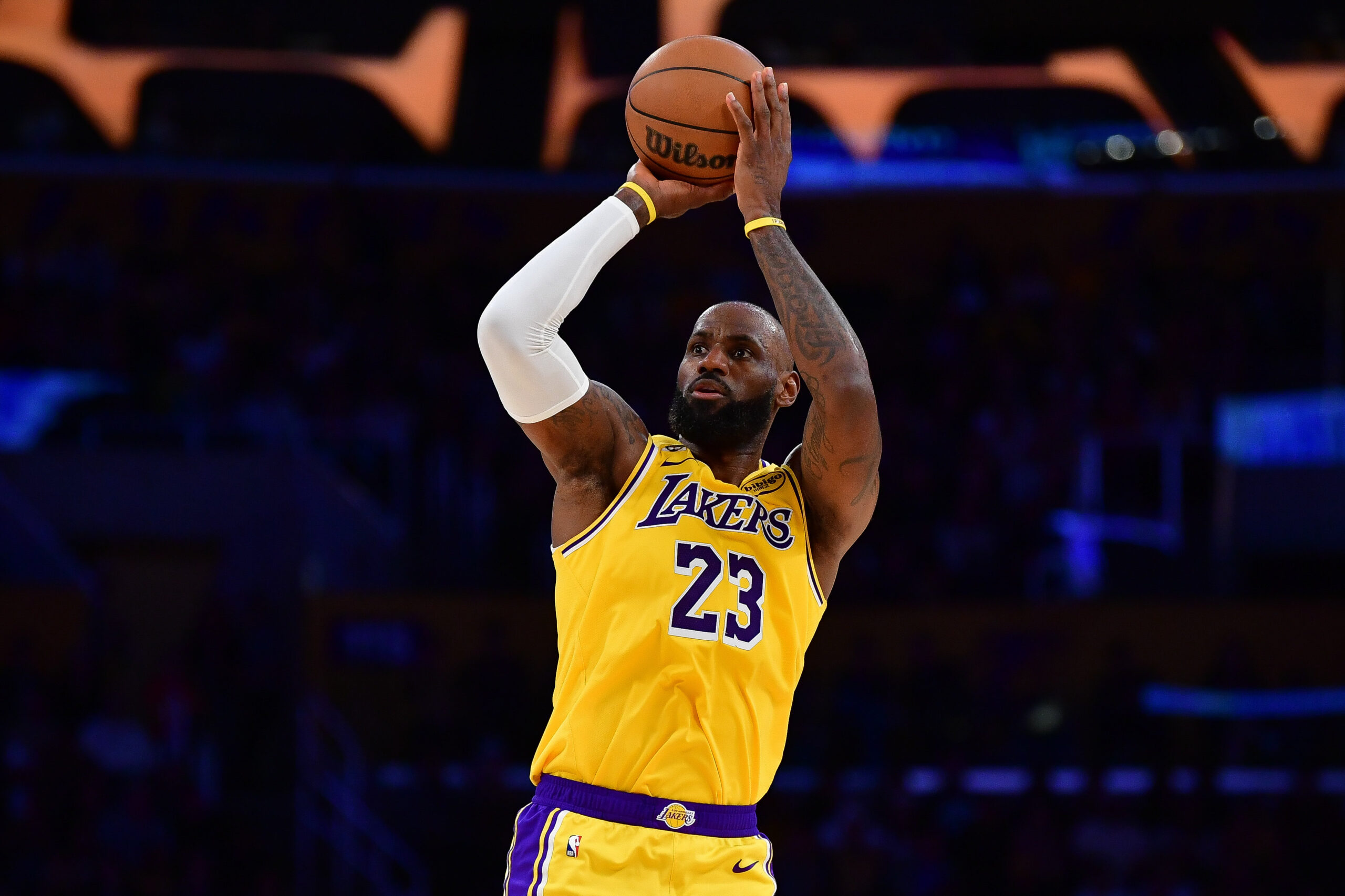
NBA has long reined supreme as basketballs most elite competition. For a long time, the American b-ball dream was to play in the NBA amongst all the glitz glamour and high profile players. In recent years, the Euro League has began to make headlines for its atmosphere and high intensity games. Both leagues continue to attract millions each year but there can always be room for improvement. By breaking down both leagues we can assess what lessons they can take form each other in order to further boost the level and presence of the respective leagues.
Competitiveness in Regular Season
One of the most pressing issues facing the NBA is the lack of competitiveness during the regular season. With an 82-game schedule, teams often engage in load management, leading to games that lack intensity. Fans frequently find themselves attending matches where star players rest, diminishing the overall experience. In contrast, the EuroLeague operates on a much tighter schedule with only 34 games per team, making every match crucial. This is evident in the current 2026 league where Olympiakos, Panathinaikos and Fenerbahce are all joint favoruites to win the league wiith odds free spin casino, and online sports betting bookmakers hovering around 4/1. The slogan “Every game matters” is not just marketing fluff; it reflects a reality where teams must fight for every win to secure playoff positioning.
To improve the NBA’s regular season, a reduction in the number of games could be beneficial. While financial implications make this challenging, a compromise—such as a 72-game season without back-to-back games—could enhance game quality. This change would not only preserve player health but also ensure that fans see their favorite stars in action more consistently.
Playoff Structure
While the EuroLeague has a competitive regular season, its playoff format has been criticized for being overly exclusive. Historically, only eight out of eighteen teams advanced to the postseason, creating a scenario where many teams were in contention but few made the cut. This year, the EuroLeague is introducing a play-in tournament, allowing teams ranked seventh to tenth a chance to compete for playoff spots, similar to the NBA’s structure. However, this change has received mixed feedback, with some fearing it may dilute the competitive nature of the league.
The NBA playoffs are often viewed as the pinnacle of basketball, with a best-of-seven series format that allows for dramatic storytelling and rivalries to unfold. The EuroLeague could learn from this by adopting a best-of-three or best-of-five format for its semifinals and finals, providing a more comprehensive assessment of which team truly deserves the championship title.
Game Format and Rules
The differences in scoring difficulty between the two leagues are stark. EuroLeague games are often characterized by lower scores due to tighter defenses and different rules, such as the absence of the defensive three-second rule, which allows rim protectors to dominate the paint. Conversely, the NBA’s focus on scoring has led to a perception of diminished defensive quality.
Adopting some of the EuroLeague’s defensive principles could enhance the NBA’s overall game quality. Stricter officiating on traveling violations, for instance, could encourage more disciplined play. Additionally, the NBA could benefit from adopting EuroLeague rules regarding goaltending and basket interference, allowing for more dynamic defensive plays.
Marketing and Player Engagement
When it comes to marketing, the NBA has established itself as a global powerhouse, primarily because its players are treated as stars. In contrast, the EuroLeague tends to focus more on teams and coaches, often overshadowing the individual talents that could draw fans.
To improve its marketability, the EuroLeague should encourage players to be more vocal and engaging on social media. Allowing players to express their personalities can help fans connect with them, ultimately increasing viewership and merchandise sales—currently a significant gap in the EuroLeague’s strategy.
Moreover, the EuroLeague lacks a robust merchandise distribution system, making it difficult for fans to support their favorite players. Establishing an online store for jerseys and other merchandise could significantly enhance fan engagement and loyalty.
Fan Experience and Culture
The atmosphere in EuroLeague arenas is often electric, with passionate fans creating an unparalleled experience. This level of engagement is something the NBA could learn from. However, the NBA’s larger venues and commercial interests sometimes dilute the fan experience.
To bridge this gap, the NBA could explore ways to foster a more intimate and passionate fan environment, perhaps by hosting smaller-scale events or fan engagement activities around games. This approach could help cultivate a stronger connection between fans and teams, similar to the deep-rooted loyalty seen in European basketball.
Final Quarter
Both the NBA and EuroLeague have unique strengths that contribute to the global basketball landscape. By learning from each other, they can address their shortcomings and create a more compelling product for fans. Whether it’s enhancing the competitiveness of the regular season, refining playoff formats, improving marketing strategies, or fostering deeper connections with fans, both leagues have much to gain. Ultimately, the goal should be to create a basketball experience that captivates audiences worldwide, blending the best elements of both leagues into a singular, thrilling spectacle.