NBA 2026 Regular Season: What Shapes Pre-Game Expectations
Regular-season expectations in 2026 come from form, efficiency, travel, and coaching tweaks, plus how fans interpret odds shifts all week



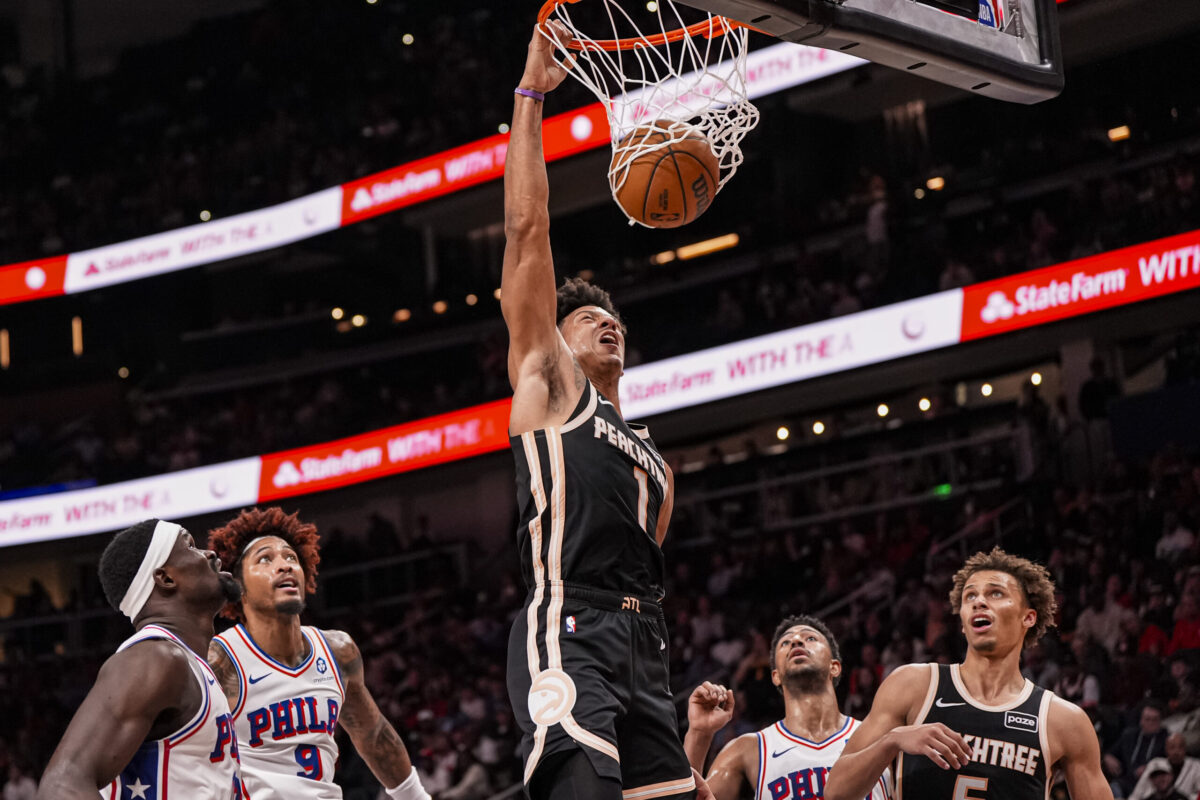
The regular season in 2026 is a marathon with a daily rhythm: one night looks calm, the next night has five games that all feel “must-watch,” and a random Wednesday suddenly matters because a team’s rotation is in chaos. That’s why pre-game expectations aren’t built from highlights anymore. They come from patterns: who’s trending, who’s tired, and which matchups quietly flip a team’s strengths into weaknesses.
For many fans, the week has its own logic. Early lines appear, then the conversation evolves as practice updates, travel, and availability news roll in. By game day, the “preview” is a mix of efficiency numbers, coaching tendencies, and how the market reacts to small changes. It’s analytical, but it’s also practical: the goal is to understand what kind of game is coming.
Form isn’t just wins: it’s how the points are created
A team can win three straight and still look fragile if the offense is living on tough jumpers. Fans who want a cleaner read focus on repeatable actions:
- Rim attempts and free throws: a stable scoring base
- Three-point quality: open looks vs bailout shots
- Turnover rate: whether the offense survives pressure
- Rebounding margin: extra possessions hide sloppy stretches
Instead of asking “are they hot,” a better question is “are they getting the same good shots every game.” That’s the difference between a real run and a temporary heater.
Efficiency metrics that actually help in 2026
The regular season is noisy, so fans gravitate to numbers that travel well across opponents.
Useful team-level indicators:
- Offensive rating and defensive rating trends over the last 10 games
- Net rating splits for starters vs bench-heavy units
- Pace changes when a key guard sits
- Clutch performance patterns, especially late turnovers
Metrics don’t replace watching games; they organize what’s already visible. If a team’s bench units hemorrhage points, a close spread suddenly looks less comfortable. If a team’s pace spikes with a certain lineup, a total starts to make more sense.
Travel and timing: why the same team looks different on different nights
Even elite teams play like humans when the schedule gets weird. Fans often scan the context first:
- back-to-back games
- three games in four nights
- long road trips with short rest
- early starts that flatten energy early
These spots show up in the first quarter: slow closeouts, missed box-outs, and a general “heavy legs” vibe that becomes very real when the opponent pushes tempo. Regular-season expectations are often just energy expectations in disguise.
Coaching adjustments: the small switches that change everything
Regular-season coaches experiment more than playoff coaches, and fans in 2026 notice the patterns:
- switching vs staying home on screens
- blitzing star ball-handlers vs single coverage
- shrinking lineups to speed the game up
- changing who takes the toughest defensive assignment
These tweaks can flip the “obvious” matchup. A team that normally protects the paint might switch everything for one night, turning the game into a three-point contest. That matters for totals, and it matters for who controls the final six minutes.
Odds moves are the league’s unofficial newswire
Reading the week through one clean number
Pre-game expectations often start earlier than the official previews. When fans track NBA odds across the week, the movement becomes a summary of everything happening around the matchup. A small spread that grows usually signals new confidence in one side, often tied to availability or matchup-specific adjustments. A total that drops can reflect missing shot creation, slower projected pace, or a defensive shift that the public starts to respect. By game day, the line can feel like a condensed “storyline index” that matches what people are saying across social feeds and basketball chats.
The same prediction instincts show up in esports discussions
In 2026, multi-sport attention is normal, not a personality trait. Conversations that jump into an MLBB betting site use familiar logic: who has the better draft flexibility, who peaks in late-game fights, who adapts mid-series. The appeal is the same as NBA regular-season analysis because both are about reading advantages before they’re obvious on screen. Fans compare form, lineup stability, and tactical counters, only the labels change. That crossover keeps the week interesting when the NBA slate is light or when a late start needs a warm-up topic.
A simple “game day” checklist that doesn’t require spreadsheets
Fans who keep it practical often run a short checklist:
- Who’s in, who’s limited, who’s out
- What’s the schedule spot and rest gap
- Which team controls pace
- Who wins the glass and the turnover battle
- Does either coach have an obvious counter advantage
This approach stays useful whether the matchup is a heavyweight game or a random regular-season night that suddenly turns spicy.
A quick side lane: the entertainment rhythm between tip-offs
Regular season viewing is long, so people build small rituals. Short sessions on an online casino often slide into the gaps: waiting for a fourth quarter to start, killing time before a late game, or just keeping the hands busy while the scoreboard refreshes. The casino side is attractive in 2026 because it’s fast and self-contained: quick rounds, clean rules, and instant feedback. Fans who enjoy it treat it as a mini entertainment break that doesn’t require deep context, which is exactly why it pairs well with a season that never really stops.
Takeaway: expectations come from context, not noise
The smartest regular-season reads in 2026 combine form, efficiency, schedule context, and coach tendencies, then check whether the odds movement supports that story. That’s how a “random Tuesday game” becomes predictable without pretending it’s guaranteed.