Why NBA Coaches Are Speaking Out Against Referees More in 2026
The 2026 NBA season has been marked by noticeable conflicts not only between players and referees but also between coaches and referees



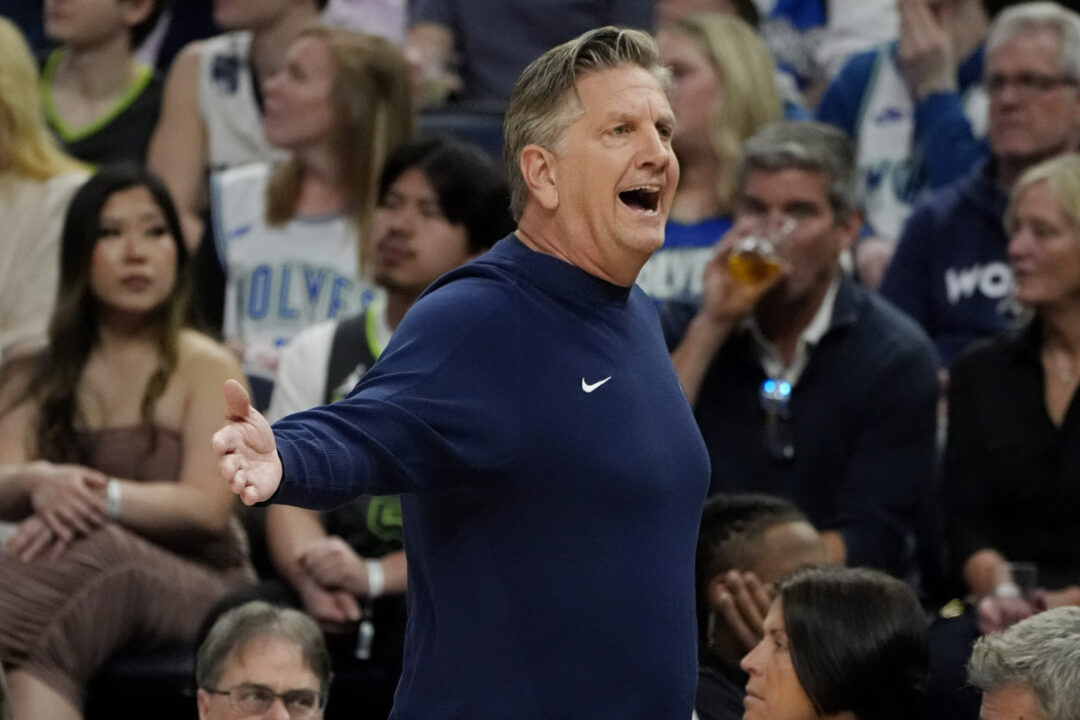
The 2026 NBA season has been marked by noticeable conflicts not only between players and referees but also between coaches and referees. This phenomenon was quite rare just a few years ago. Cameras have caught extended arguments night after night, often leading to actual fights marked by harsh words and outbursts.
Coaches are no longer content to absorb questionable calls in silence. They have decided to speak publicly about the challenges they are facing with referees. It signals a changing attitude towards the league, but also a deeper problem with officiating. In this article, we’ll try to explain why this is happening.
The Breaking Point: High-Profile Incidents Fuel the Narrative
The changing attitude was mostly fueled by a few high-profile incidents that were too big to ignore and react to. Houston Rockets head coach Ime Udoka’s postgame remarks, calling the officiating “soft” and poorly managed, were one such moment.
Chris Finch and Nick Nurse have also been visibly frustrated, confronting officials during games and continuing those critiques afterward. Technical fouls and ejections have always been part of the referee’s arsenal, but they didn’t calm the coaches this time.
In fact, some crypto casinos have allowed bettors to wager on whether a coach will get a technical foul, since it kept happening. These casinos allow players to make quick wagers in crypto without providing personal data.
Inconsistency and Transparency: The Core Frustration
At the center of the complaint is the very common problem in the NBA: the referees are inconsistent in their calls. The officiating standards are changing from game to game, and some would argue that they even change from quarter to quarter.
What was seen as a foul one night is ignored the next, and teams don’t know how to adjust to it. The NBA’s Last Two Minute Reports, designed as a transparency tool, have made things worse. It states that a call is bad only after it’s already made, and there’s nothing to do to fix it.
Coaches, players, and fans feel the game’s outcome depends on errors that could have been avoided. Beyond individual calls, there is a broader concern about interpretation. It’s not clear how much contact is allowed, and in the long run, it erodes trust.
The Technical Foul Problem: Shorter Leashes, Bigger Reactions
The league has also introduced a much stricter approach to technical fouls. In some cases, gestures, brief complaints, or visible frustration are enough to draw a technical foul and result in the coach’s expulsion from the court. Players have been treated the same. Luka Dončić has repeatedly hovered near suspension thresholds due to accumulated technical fouls.
The goal was to calm both players and coaches, but many feel it did the opposite. Instead of communicating and explaining the decisions, the referees kept punishing players and coaches for disagreeing.
Higher Stakes in a Tighter League
At the same time, every NBA game has become close and high-stakes, meaning every decision matters even more. Parity is an important part of the modern NBA, and the teams are evenly matched. It’s great for the fans, but the teams are very tense about every game, and coaches are often big personalities who find the stress hard to bear.
Many feel that accepting a bad decision is unprofessional for a coach, especially if it can decide an otherwise close game. The emotional investment in every game is now more intense than ever, and arguments will continue.
A Changing Relationship Between Coaches and Officials
In a broader sense, we’re witnessing a changing relationship between coaches and officials. Tensions have existed between the two, but the balance between authority and communication has shifted, and it’s no longer uncommon for the coaches to be much more upfront about their disagreements. It’s difficult to say whether this change will be a good thing, as it could create more transparency into how the calls are made.
That could be one possible outcome, but the league could also become a more aggressive and contentious place, as some fear it will. There are also calls to rely more on tech and video analysis when making calls in order to avoid mistakes. It’s a possibility, but one with many downsides.
To Sum Up
NBA coaches have clashed with refs more than ever before. In many cases, it led to them getting technical fouls and being expelled from the court. There have been plenty of poor decisions that have led to this, and many inconsistent ones that have frustrated both fans and teams.
However, the decision to argue with the referees is a novelty, and it shows that the league has less authority than it did before. It’s a problem that persists and will require a long-term, systemic solution.