What Fantasy Basketball Tells Us About the Future of Sports Entertainment
Fantasy basketball has quietly grown into one of the more interesting indicators of where sports entertainment is headed



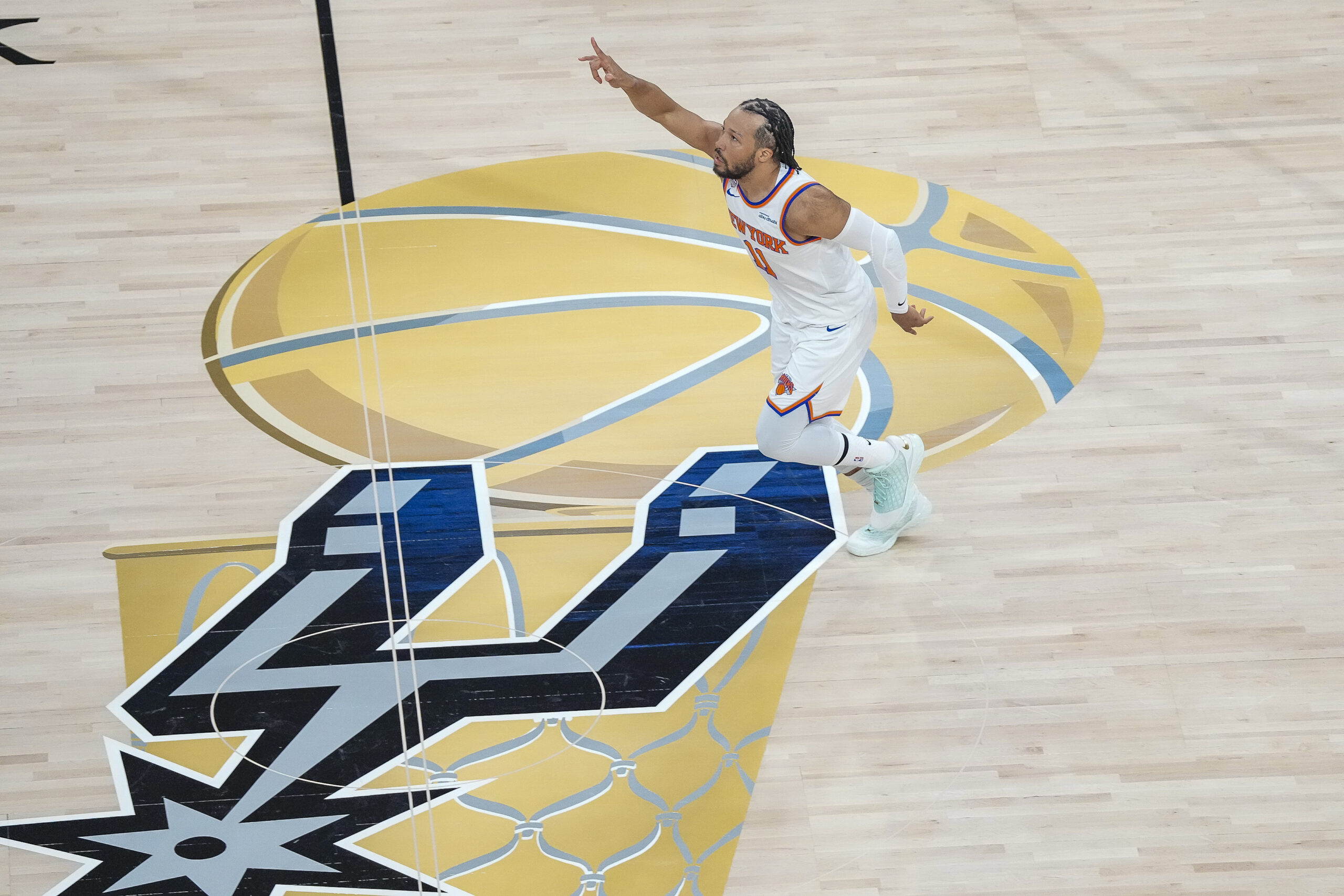
The platforms that started as side hobbies for hardcore NBA fans now host millions of casual participants who follow basketball more closely because of fantasy than they ever did through traditional viewing alone. The growth pattern matters because it reveals what audiences want from sports in 2026, which is not just to watch but to participate. The fantasy basketball audience is a leading indicator of an entertainment shift that has now spread well beyond fantasy sports themselves.
How fantasy basketball changed how fans watch
The single biggest behavioral shift fantasy has produced is the way fans now watch games. A traditional viewer follows their favorite team. A fantasy viewer follows their roster, which often spans multiple teams and conferences and includes players the viewer might never have tracked otherwise. The result is that fantasy participants end up watching more basketball, watching it more carefully, and developing opinions about players who would have been invisible to them under traditional viewing patterns. The league itself benefits because fantasy expands the audience for every game on the schedule, not just the marquee matchups. The secondary effect is that the casual fantasy participant tends to develop a much more granular sense of which players are trending up and which are trending down, which then feeds back into how they consume basketball content during the week between games.
Why interactivity drives engagement so hard
The deeper trend underneath fantasy is the audience’s appetite for interactivity. Passive viewing is no longer the default mode for sports consumption among younger fans. The audience wants to do something during games, whether that is managing a fantasy roster, participating in a live chat, contributing to a prediction pool or simply tracking their own picks in real time, and the consistent activity around fantasy basketball coverage and tips reflects how durable this appetite has become. The participation itself is becoming as central to the experience as the game on the screen.
Where social gaming fits into the same trend
PlayFame, a social gaming platform built around interactive themed sessions, has positioned itself in the same broader category that fantasy basketball helped define. The sweepstakes casino games offered on the platform satisfy the demand for interactive entertainment during evenings without live sports. The audience that loves interactivity in sports often loves interactivity everywhere else too, and the platforms that recognize this overlap tend to capture meaningful slices of attention across both categories.
The integration of fantasy into the viewing experience
Broadcast partners have spent the past several years building fantasy data directly into the viewing experience. Real-time projections, on-screen player stats, live trade analysis and instant scoring updates have all become standard elements of basketball broadcasts. The integration is so complete that many casual fans no longer remember a time when this information was not visible on the screen, and longer-form NBA broadcast analysis at The Athletic regularly returns to how this transition reshaped viewing habits. The result is that fantasy and viewing have stopped being separate activities and become a single combined experience for a meaningful portion of the audience.
How dynasty leagues changed the calendar
Year-round fantasy formats, particularly dynasty leagues, have done something the NBA itself never managed to do. They have made the offseason interesting to a large audience. Trades, draft picks, prospect tracking and roster construction all generate content during months when the league itself produces almost none. The dynasty fantasy ecosystem is now significant enough that it functions as a parallel calendar running on top of the actual NBA calendar, with its own podcasts, content creators and community structures that maintain engagement year-round, and detailed offseason coverage of NBA roster movement at HoopsHype reflects exactly the kind of demand that fantasy participation generates.
Why the audience for interactive sports keeps expanding
The fantasy basketball audience is not particularly bound by traditional sports demographics. Women participate at significantly higher rates than they participate in many other sports categories. International participation has grown faster than domestic participation. Younger audiences who never developed traditional team loyalty have built their entire basketball identity around fantasy participation. The audience expansion is real and durable, and it shows no signs of slowing down as the format keeps evolving.
The crossover into other entertainment categories
The behavioral patterns fantasy basketball helped popularize have crossed over into entirely different entertainment categories. Reality TV viewers now run prediction pools. Streaming series fans participate in live commentary threads. Music release schedules generate the same kind of speculation and roster-management feel that fantasy sports produce. The underlying pattern is that audiences want to do something with the content they consume, not just consume it, and the patterns fantasy sports pioneered have now spread far beyond sports.
Why fantasy basketball matters more than the NBA acknowledges
The NBA itself has been slower than many fans to recognize how central fantasy has become to the actual viewing relationship. League marketing still leans heavily on traditional team loyalty narratives that the fantasy audience has largely moved past. The audience that drives fantasy participation thinks about basketball in ways the league sometimes struggles to acknowledge, because the fantasy frame undermines some of the league’s traditional storytelling structures. The disconnect will probably resolve over the next several years as the fantasy audience continues to grow and the league adapts its marketing to match how the audience actually engages with the sport. The shift has already happened on the audience side. The institutional side is the part that still needs to catch up to where the conversation has moved.