Why People Should Play Basketball
People should play basketball because it gives the body honest work and the mind a quick problem to solve every few seconds



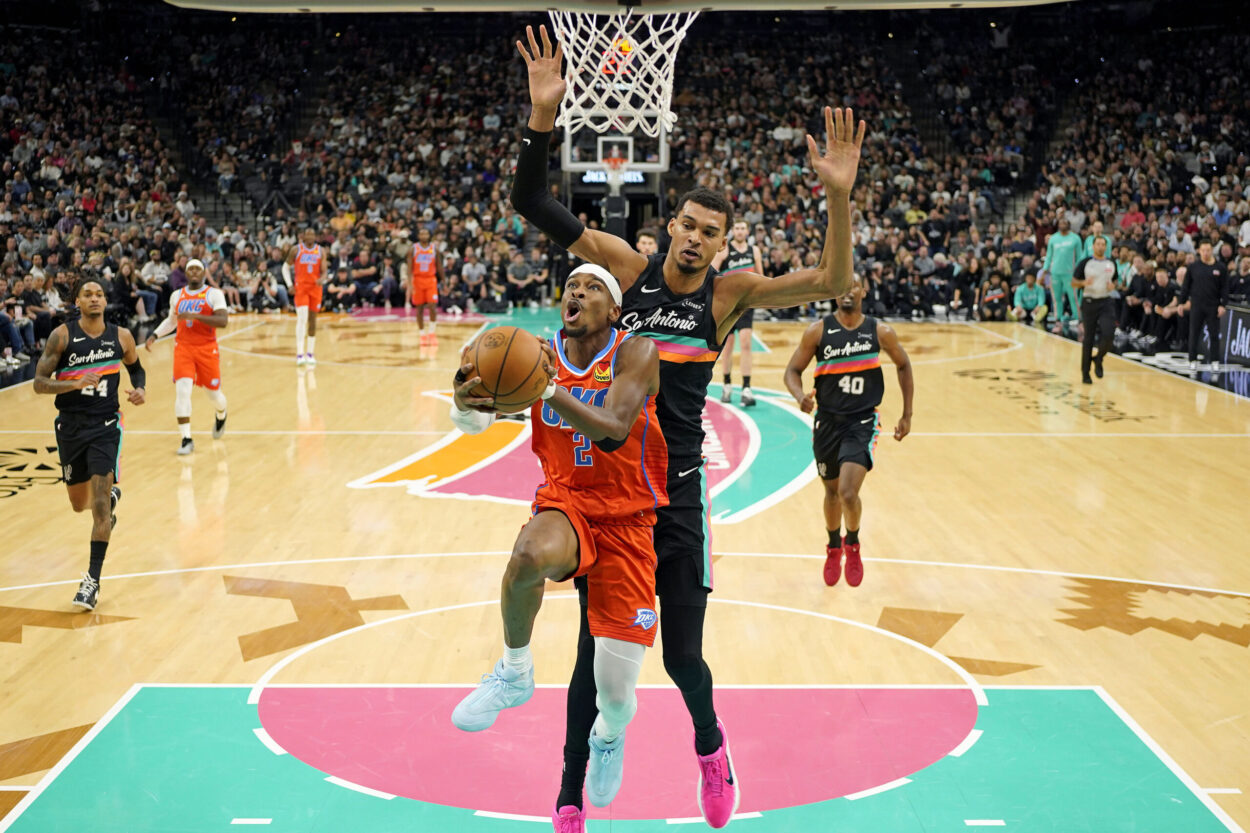
A basketball court asks for little: a ball, two hoops, and a patch of floor that forgives bad first attempts. No lecture needed. A person runs, stops, laughs, misjudges a bounce, and tries again before pride has time to harden. That is the charm of it.
While the phone can sit untouched on a bench for once, which is rarer than people admit. Even odd internet habits point to a useful lesson: casino strategies in an online casino can make online casino bonus offers look tempting, but a pickup game gives a clearer reward in thirty minutes. The same shortcut appears in casino Azerbaijan searches such as https://mercsaytlariaz.com/ where roulette casino online promises fast thrills. Basketball delivers sweat instead of suspense.
Another screen trap, online slots games beside Azerbaijan casino sites can make trusted casino sites sound safe, yet the safer bet is still a pair of shoes and a public hoop. A person leaves with tired legs, warmer hands, and maybe one clean jump shot to remember.
A full-body workout that feels like play
Basketball hides hard exercise inside small choices. A player jogs, stops, slides sideways, jumps, lands, reaches, and changes speed again before noticing the clock. That mix trains legs, lungs, shoulders, grip, and balance in one session. It is not fancy. Ten minutes of layups can raise the heart rate.
A half-court game with four friends can leave adults breathing like they just climbed six flights of stairs. For kids, the repeated running builds coordination without the dull feeling of laps around a field. For older players, shooting practice keeps joints moving while allowing rest between attempts. The best part is the feedback. Miss short, bend the knees. Dribble too high, lower the hand.
The body learns through mistakes, and the score gives instant proof. Few gym routines explain themselves this quickly after work or school.
Confidence grows possession by possession
A new player learns that embarrassment does not last long. The ball comes back. A bad pass stings for three seconds, then the next defensive stop asks for attention. This rhythm builds a useful kind of confidence: practical, sweaty, and public. Someone who was quiet at school or work gets a chance to call “screen left,” set a pick, or take the open shot. Small wins count.
First made free throw. First clean steal. First time a teammate says, “good cut.” Basketball also teaches failure without drama. Even NBA shooters miss plenty; Stephen Curry has missed more three-pointers than most people will ever attempt. So a missed jumper in a local gym is not a personal verdict. It is data. Adjust the feet. Try again on the next catch. That lesson helps during awkward meetings too.
Teams teach social skills without speeches
Basketball rewards people who notice others. A good pass needs eye contact, timing, and trust. On defense, one sleepy player leaves a shooter open in the corner, so communication becomes real, not a poster on an office wall. Talk or lose. Players learn names quickly because names help on switches and rebounds. They also learn how to deal with different tempers.
One teammate wants loud praise. Another needs quiet advice after a turnover. These small reads matter in families, classrooms, and jobs. The sport also gives mixed groups an easy script. Two strangers can argue about teams, shoot for possession, and become friendly before either asks what the other does for a living. That is rare. A court turns awkward silence into movement, and movement makes conversation less stiff. The final handshake usually proves it.
A cheap sport with flexible entry points
The cost matters. Some sports need club fees, ice time, pads, or a parent with free Saturdays. Basketball can start with one ball and a hoop at a park. Used shoes work if the soles grip. A person can practice alone for twenty minutes, join two-on-two at lunch, or play in a city league with referees and jerseys.
The scale is friendly. Small apartments still allow form shooting with a foam ball. Driveways become training spaces with chalk lines. Public courts in places like New York, Manila, Belgrade, and Chicago have shaped serious players with little more than chain nets and stubborn regulars. Access changes lives because consistency beats perfect conditions. Three short sessions a week are enough to build skill. Fifteen made free throws before dinner is a plan. Tomorrow has a target.
Mental sharpness under a ticking clock
Basketball is a thinking game disguised as running. The clock, the score, the defender’s feet, and the teammate in the corner all compete for attention. Decisions arrive fast. Pass now. Shoot before the closeout. Take one dribble and stop. This trains focus in a way that feels alive, especially for people who struggle to sit still during ordinary exercise. It also gives stress a place to go.
After a tense day, sprinting back on defense is cleaner than scrolling through bad news for an hour. The mind gets a reset because the game demands the present moment. Phones stay in bags. Worries wait. For someone starting this week, the first step is simple: find a hoop, take twenty close shots, then ask one person to play to seven. If nobody is free, beat it tomorrow.