Are shooters born or made? LeBron and Nash weigh in
Talent, practice and the mental side: LeBron and Nash discuss what makes a player a great shooter



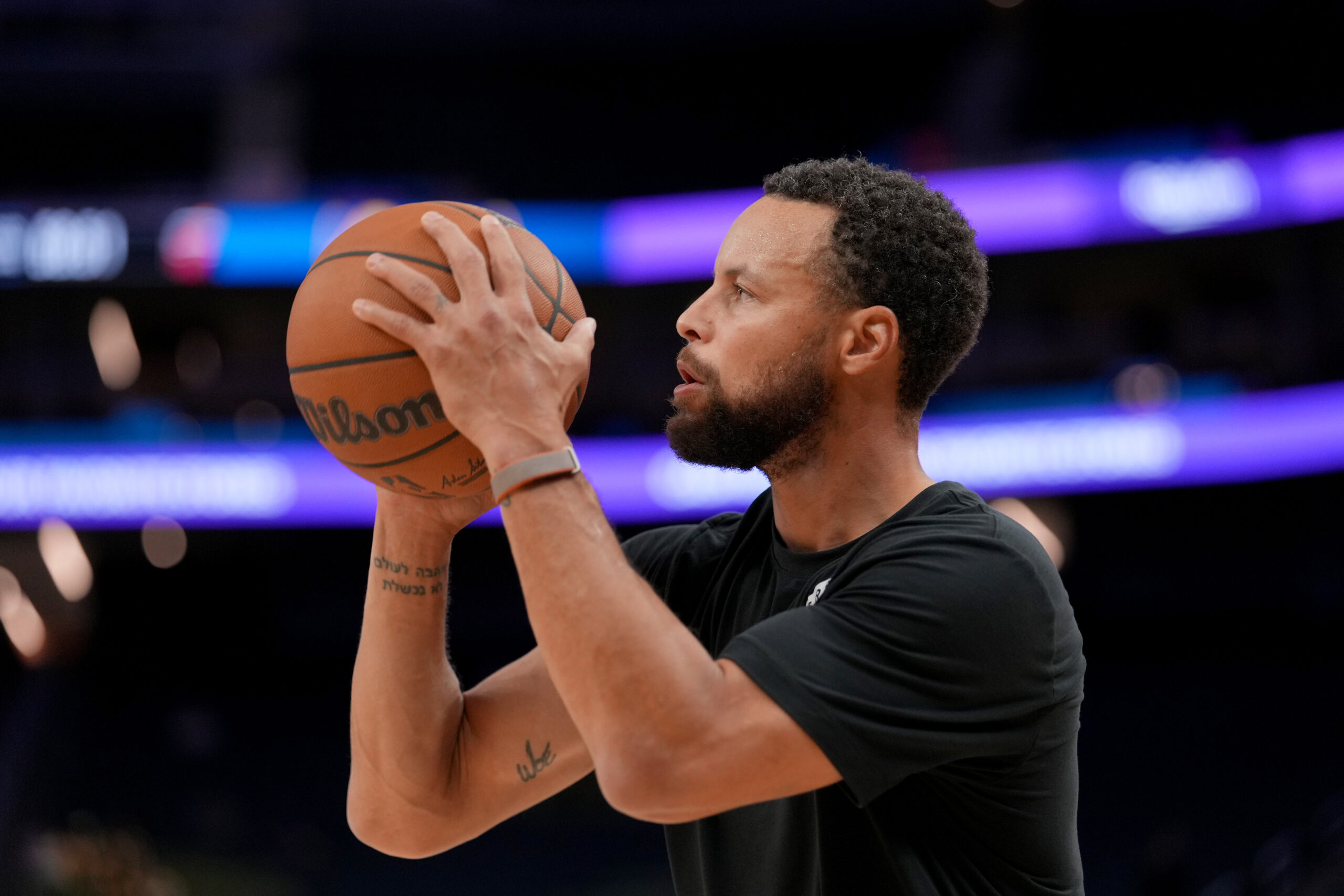
Can practice alone make someone a great shooter, or does it take something not everyone has? That’s the question LeBron James posed to Steve Nash on the latest episode of the Mind the Game podcast.
The two-time MVP explained that shooting came naturally to him from childhood. It was something he understood even better once he became a coach.
I think I could shoot from the beginning. I don’t know why – it just came naturally to me. I almost couldn’t understand why everyone couldn’t do it. Then, when I coached, I saw players spend an entire summer taking tons of shots and improving in an empty gym, but they couldn’t carry that progress into games
Steve Nash
According to Nash, part of the challenge is consistently repeating the same motion, but there’s a mental component, too: some players are excellent shooters in practice, only to lose their confidence when the lights come on.
LeBron offered two examples of players who completely transformed their relationship with shooting over their careers: Jason Kidd and Kawhi Leonard.
When Jason Kidd came into the NBA, he certainly wasn’t someone who could hurt you from the perimeter. Yet over his career, he made one big three after another. He was primarily known for attacking the rim, his crossover and his passing ability. The same goes for Kawhi. He didn’t enter the NBA as a shooter. He was drafted for his physical tools: long arms, huge hands and something reminiscent of Scottie Pippen
LeBron James
Players like Kidd and Leonard are precisely why the four-time MVP wonders how much natural ability can really limit someone’s development.
Does it depend on the individual, or do some people simply not have that ability? I don’t know. With all the time we have to work on our games, if you’re serious and really want it, you almost have to ask: why shouldn’t you be able to improve?
LeBron James
The difference, then, may lie beyond the hours spent in the gym. It may come down to turning individual work into something that holds up in games, when the pace, pressure and difficulty of the shots increase.