Jaylen Brown trade: the numbers explain Boston’s decision
The Jaylen Brown trade sparked widespread debate, but the numbers tell a different story. From team performance to his impact on teammates, here’s why the Boston Celtics decided it was time to move on



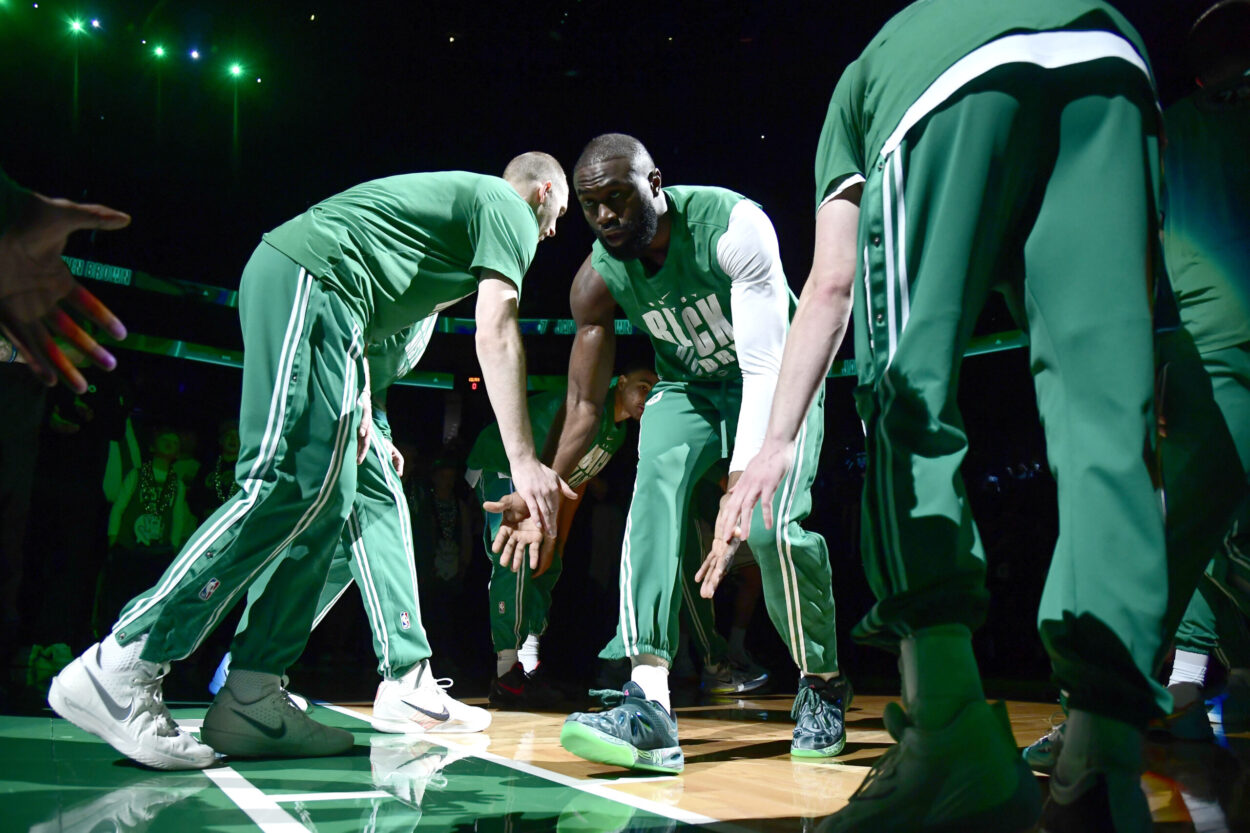
At first, the move was met with plenty of criticism. Trading away a player of Jaylen Brown’s caliber seemed difficult to justify, especially after the success he enjoyed alongside Jayson Tatum in recent years. But as time has passed, the data offers a different perspective on Boston’s decision.
The numbers without Jaylen Brown tell an interesting story
The statistics paint a picture that goes beyond individual talent. Over the past three seasons, Boston posted an outstanding 36-6 record without Brown. Expanding the sample, the Celtics are 90-36 without him in recent years – a figure that’s hard to ignore.
The advanced metrics also reveal some intriguing trends. Jayson Tatum’s impact improves when Brown is off the floor, and Payton Pritchard’s numbers also take a noticeable jump. Adding another layer to the discussion, Brown finished his Celtics tenure with a negative on/off differential, a metric that measures how the team performs with and without a player on the court.
There’s another statistic that stands out even more. According to the available data, no NBA player suppresses his teammates’ scoring production more than Jaylen Brown while sharing the floor with them. Combined with the other advanced metrics, that may have played a significant role in the Celtics’ front office evaluation.
The supermax, Paul George, and Boston’s strategy
None of this necessarily means Boston extracted maximum value from the trade. In fact, many still believe the return fell short of Brown’s true worth. At the same time, when factoring in his looming supermax contract, the analytics, and the opportunity to bring in a player like Paul George, the decision becomes far easier to understand than it initially appeared.
The final verdict will come over the next few years and will ultimately depend on the Celtics’ results. One thing, however, is already clear: beyond the controversy, there was a well-defined rationale behind Jaylen Brown’s departure – one backed by numbers the front office evidently felt were impossible to ignore.