How Media and Technology Are Reshaping College Sports
American college sports are undergoing significant changes, driven by advances in technology, evolving media partnerships, and shifting commercial interests



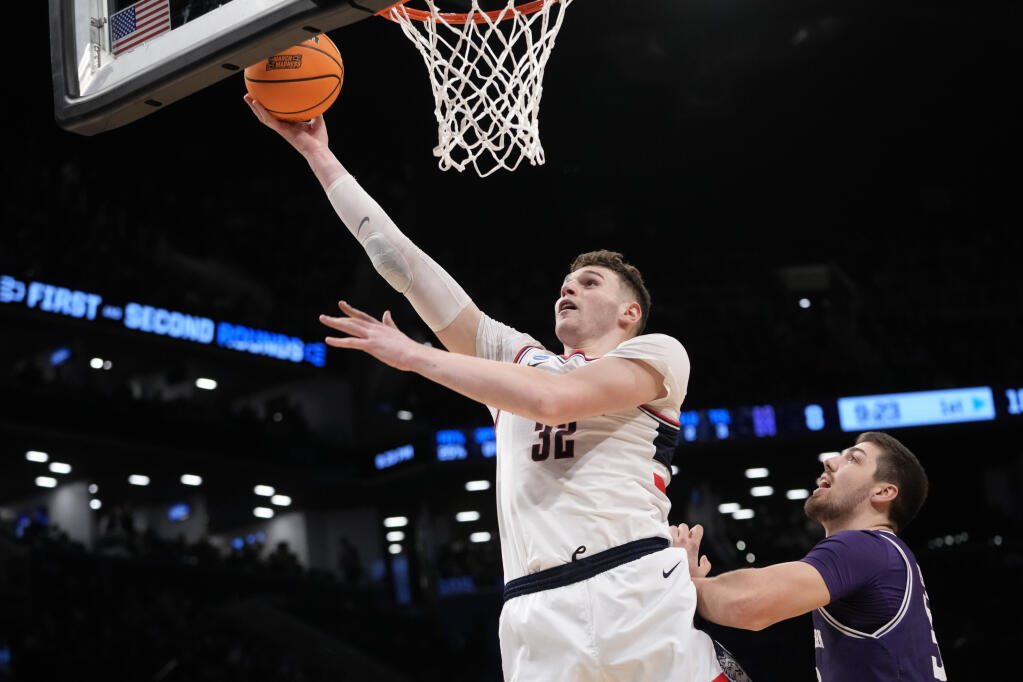
American college sports are undergoing significant changes, driven by advances in technology, evolving media partnerships, and shifting commercial interests. As universities and athletic conferences adapt to a rapidly changing landscape, fans and athletes alike are experiencing new ways to engage with their favorite teams and events.
How Media Partnerships Are Changing the Fan Experience
The relationship between college sports and media has never been more dynamic. Major broadcasting deals now extend beyond traditional television, with streaming platforms and digital content providers playing a central role in how games are delivered to audiences nationwide. These partnerships are not only increasing access for fans but also generating substantial revenue for athletic programs. The integration of interactive features and real-time statistics has made watching college sports more immersive, appealing to both long-time supporters and a new generation of viewers.
Innovation in College Sports Through Technology
Technological advancements are transforming every aspect of college athletics. From wearable devices that monitor athlete performance to advanced analytics used in coaching decisions, innovation is enhancing both player development and fan engagement. Social media platforms allow teams to connect directly with their supporters, while mobile apps provide instant updates, ticketing options, and exclusive content. As these tools become more sophisticated, universities are investing in digital infrastructure to stay competitive and relevant in a crowded sports marketplace.
The Impact of Commercial Influence on College Sports
The business side of college sports is evolving alongside these technological and media trends. Sponsorship deals, branding opportunities, and licensing agreements are now integral to the financial health of athletic departments. One notable development is the growing presence of digital platforms that complement live sports consumption. For example, the rise of american sports betting sites has influenced how fans interact with broadcasts, offering ancillary services that reflect broader changes in the sports business ecosystem. As commercial interests continue to expand, universities face new challenges in balancing tradition with innovation.
Why Regulatory Changes Require Clear Guidelines
With these rapid developments, clear and consistent guidelines are essential for institutions, athletes, and media partners. Legal reforms affecting sponsorships, athlete compensation, and digital rights are prompting colleges to revisit their policies and ensure compliance with evolving standards. For journalists and writers seeking authoritative guidelines on grammar, punctuation, and style, the AP Stylebook official site offers the most current and comprehensive resource aligned with industry standards. As the regulatory environment shifts, transparency and adherence to best practices remain crucial for maintaining trust and integrity in college sports.
The Future of College Athletics
The evolving landscape of American college sports presents both opportunities and challenges. As technology, media, and commercial interests continue to shape the industry, stakeholders must work together to ensure that the core values of competition, education, and community remain at the forefront. With thoughtful adaptation and a commitment to innovation, college athletics is poised to thrive in this new era, offering fans and athletes an even richer and more connected experience.