Wembanyama gives up $51 million: Perkins, “A Terrible Decision”
According to NBA analyst Kendrick Perkins, Victor Wembanyama should have taken the full $303 million available in his contract extension with the San Antonio Spurs



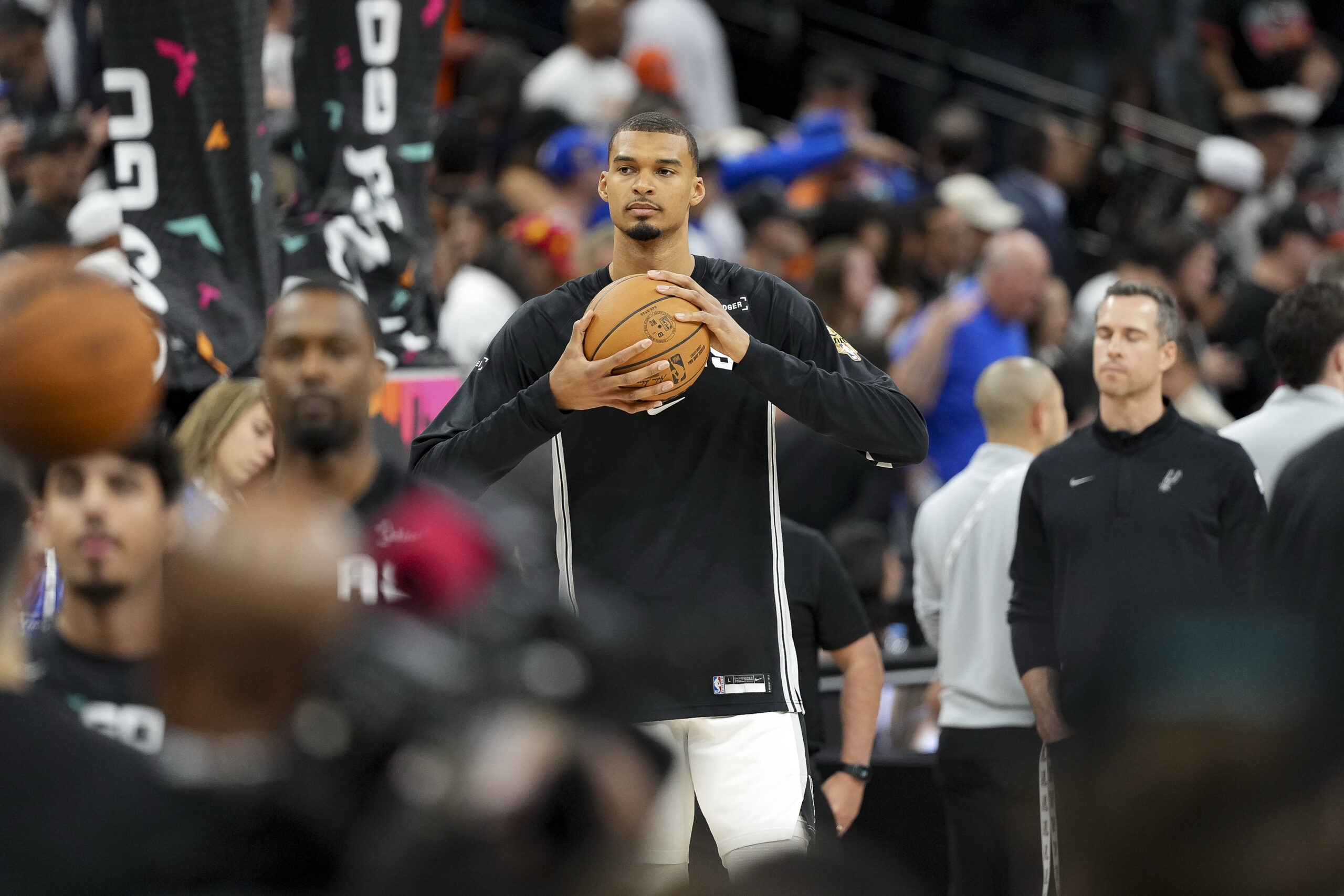
Victor Wembanyama has committed his long-term future to the San Antonio Spurs, but in doing so he has also reshaped the financial conversation surrounding NBA superstars, sparking a heated debate across the league over salary, leadership, and player value.
The reigning Defensive Player of the Year (DPOY) signed a five-year, $252 million contract extension. While the deal is enormous, it comes with a remarkable twist: to give the Spurs’ front office greater salary cap flexibility to build a championship-caliber roster, the 22-year-old French star accepted less than the maximum contract he was eligible for, leaving nearly $51 million on the table.
The decision, which closely mirrors the team-first approach previously taken by Jalen Brunson in New York, has sharply divided American analysts, with some of the strongest criticism coming from ESPN.
The first to openly challenge Wembanyama’s decision was Kendrick Perkins, who weighed in on the situation:
Even though basketball is entertainment for us, it’s still a job for the players. In no other profession are people asked to take a pay cut. That’s just not how it works. I would never advise a young athlete to leave a single penny on the table. Absolutely not. You have to maximize your earnings, especially when you’re Wemby. We’re talking about a guy who sells jerseys, fills arenas, and has put San Antonio back on the map globally. Considering everything he’s does and has already done for this franchise, I think it was a terrible decision
Kendrick Perkins
ESPN colleague Vince Goodwill echoed those concerns, highlighting what he sees as the dangerous precedent this could set for the relationship between the NBPA and NBA ownership. According to Goodwill, Wembanyama’s choice could create unhealthy pressure on younger teammates – particularly Stephon Castle and Dylan Harper, both of whom could eventually be eligible for maximum contracts of their own.
While Wembanyama can likely make up the missing $51 million through global endorsement deals and the strength of his personal brand, the same opportunities will not automatically exist for his teammates, who could feel indirect pressure to follow their franchise player’s example by accepting discounts that ultimately benefit the Spurs’ ownership group.
On the other hand, Wembanyama’s decision also serves as a powerful statement about his competitive mindset. After leading the Spurs on an impressive playoff run that ultimately ended with a loss in the NBA Finals, Wemby appears to have concluded that keeping the team’s core together – and avoiding salary cap restrictions – is essential if San Antonio hopes to overtake the Western Conference’s elite and build a lasting championship dynasty.
From a purely financial standpoint, his decision understandably invites criticism. But from the perspective of winning culture, it reflects a notable act of leadership, placing the pursuit of an NBA championship ahead of maximizing personal earnings. The example set by Jalen Brunson clearly left an impression.